Propane makes life easier in an RV, but it also demands respect. Leaks can hide quietly until they cause trouble, which is why learning the basics of rv propane leak detection gives you a real advantage. If you know how propane behaves, where leaks usually start, and which detector features actually matter, you can keep your space safe without feeling overwhelmed.
Why Propane Leaks Are Easy to Miss
Here is the thing. Propane does not act like the smoke or steam you notice instantly. It is colorless, heavier than air, and tends to slide downward. Instead of drifting up to the ceiling, it collects around floors, storage compartments, and low corners. If you have ever wondered why leaks feel so sneaky, this is the reason.
RVs make the situation interesting because the living space is tight, the appliances sit close to each other, and small gaps can trap gas in hidden pockets. That is why consistent rv propane leak detection is the smartest habit you can build. You are not just catching problems early, you are avoiding that moment when something smells off and you cannot tell where it is coming from.
Common Places Where Propane Leaks Start
If you know where to look, half the job is done. These are the usual trouble points homeowners and RV users deal with:
1. Appliance Connectors
Stoves, furnaces, water heaters, and heaters rely on flexible hoses and fittings. With vibration from long drives and temperature swings, these parts loosen over time.
2. Tank Valves
A propane tank valve that is not fully tightened or has worn threads can release small amounts of gas. It might not be obvious at first, but rv propane leak detection tools can catch it before it turns into a bigger issue.
3. Regulators
These are designed to keep gas pressure steady. When regulators age or clog, the system can become unstable.
4. Underground or Underbody Lines
Many RVs route propane piping through tight channels. Road debris, rust, or simple wear can create tiny punctures that are tough to locate.
5. Generator Lines
If your RV uses propane to power a generator, those connections also need attention. Engine vibration can loosen joints slowly.
How Propane Behaves Indoors
What this really means for a homeowner is simple. Propane wants to sink. A leak near your stove is more likely to drift toward the floor and fill low spaces. If your RV has storage compartments under benches or beds, those areas can fill quietly.
Propane also spreads sideways instead of rising upward. So if you smell gas only in certain parts of the RV, that does not mean the leak is in that exact spot. It just means the gas traveled there because gravity pulled it down and outward. This is exactly why having consistent rv propane leak detection is more reliable than guessing by smell alone.
Signs You Might Have a Propane Leak
Even before a detector alerts you, your senses and instincts matter. Watch out for:
- A faint rotten egg smell, especially near the floor
- Hissing around hoses or valves
- Headaches or light nausea when inside the RV
- Appliances struggling to ignite
- A flame that flickers unevenly
These clues do not always mean a leak is happening, but they should never be ignored.
Choosing a Reliable Propane Leak Detector
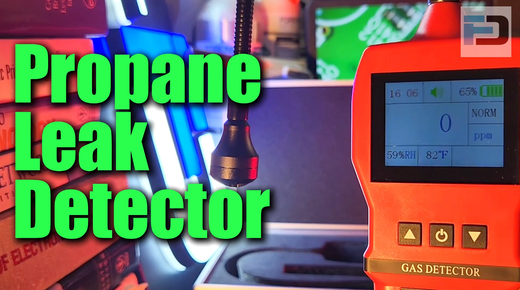
There are dozens of detectors on the market, and they are not all built the same. When you are buying one for rv propane leak detection, focus on features that actually make a difference.
Sensitivity to Propane
Some detectors scan for multiple gases, which is helpful, but you want one that reads propane quickly and accurately.
Adjustable Alarm Thresholds
Good detectors let you fine tune the sensitivity. This is especially useful in RVs because temperatures shift fast and false alarms waste your time.
Installation Height
Since propane sinks, place your detector near the floor. A detector mounted too high will not help you much, no matter how advanced it claims to be.
App Connectivity
You do not need anything complicated, but a simple phone alert can be useful if you want updates when you are outside the RV.
Self Test Features
A quick test button lets you verify the sensor still works. It takes five seconds and saves you from relying on blind luck.
How to Check for Leaks Manually
There is an old trick that still works. Mix a little dish soap with warm water, then brush or spray it over suspected fittings. If bubbles form, gas is escaping. Manual checks are not a replacement for a proper rv propane leak detection device, but they complement it well.
Another habit that helps is sniff testing after every trip. Open the door, wait a moment, and take a slow breath near floor level. If something feels off, trust that feeling.
Staying Ahead of Propane Problems
If you want to make your RV safer without turning into a technician, stick to a simple rhythm. Inspect visible connections monthly, test your detector every few weeks, and replace regulators or hoses when they show even minor wear. Propane systems do not need constant fussing, just steady attention.
You will find that once you build the habit, it becomes second nature. Propane behaves predictably, and with the right awareness, it cannot surprise you. The great part is that every time you check something and it looks good, you travel with a little more confidence than before.