
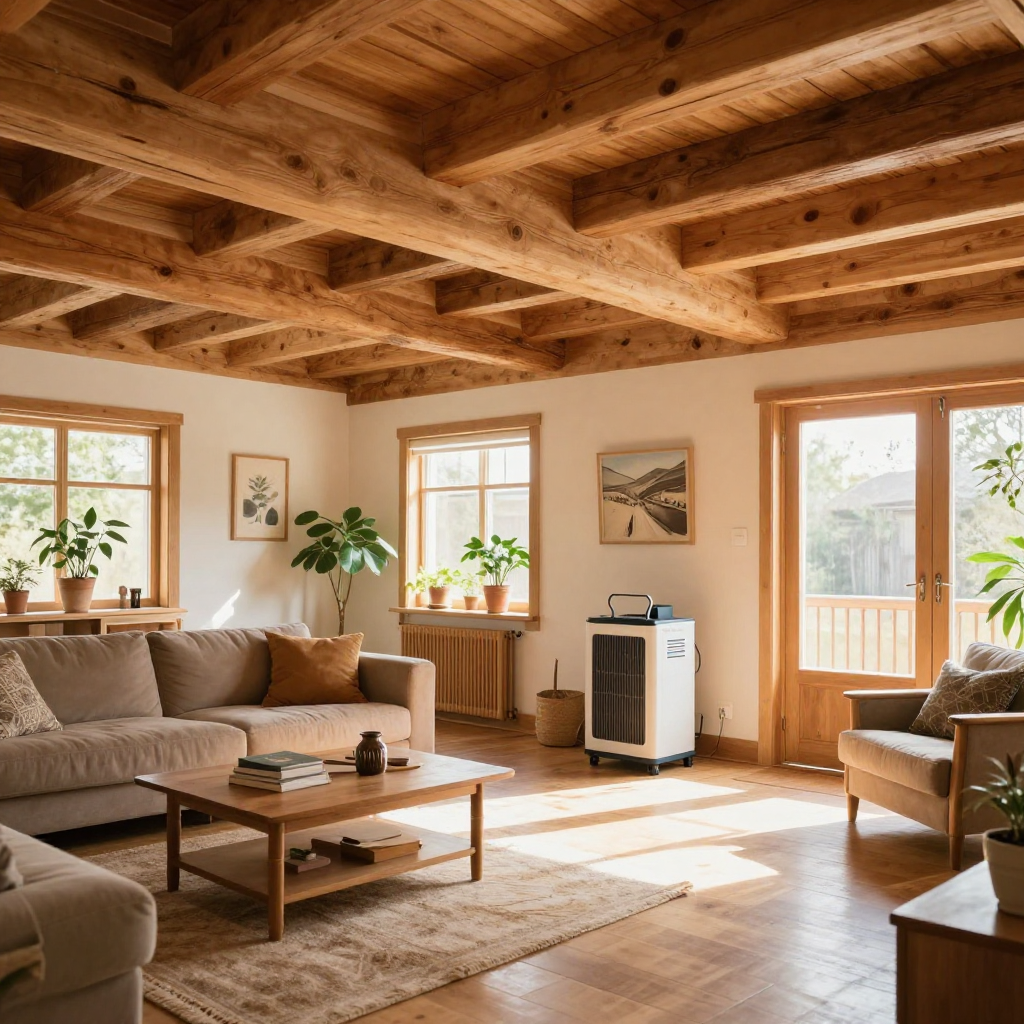
Historic buildings are valuable pieces of architecture, culture, and history. Whether it is an old countryside home, heritage property, wooden church, farmhouse, or centuries-old timber structure, preserving these buildings requires extra care and specialized maintenance. One of the biggest threats to historic wooden structures is woodworm infestation.
Because many historic buildings contain large amounts of old timber, exposed beams, wooden floors, and antique woodwork, they are often more vulnerable to wood-boring insects. Unfortunately, woodworm damage in historic properties can remain hidden for years, quietly weakening timber before visible signs appear.
Treating woodworm in historic buildings is different from standard treatment because preserving original materials is extremely important. Harsh repairs or unnecessary replacement may reduce the building’s historical value. The goal is to eliminate infestation while protecting as much original timber as possible.
Many property owners researching timber care through shashel.eu/ understand that preserving historic buildings requires careful woodworm treatment and long-term protection.
In this guide, we will explain how woodworm treatment works for historic buildings and how to protect valuable timber safely.
Why Historic Buildings Are More Vulnerable to Woodworm
Older timber often creates favorable conditions for infestation.
Common Reasons Include
- Aging wood
- Poor ventilation
- Hidden moisture problems
Historic buildings often contain:
- Roof beams
- Wooden floors
- Ceiling joists
- Antique woodwork
Many of these areas remain hidden for years.
Routine inspection becomes essential.
What Is Woodworm?
Despite the name:
Woodworm is not a worm
Woodworm refers to wood-boring beetle larvae living inside timber.
How Infestation Begins
Adult beetles lay eggs in:
- Cracks in wood
- Exposed timber
After hatching:
- Larvae tunnel through wood
Eventually:
- Adult beetles emerge through tiny holes
Damage often develops quietly.
Historic buildings are especially vulnerable because timber may already be aging.
Signs of Woodworm in Historic Buildings
Early detection improves preservation.
Common Warning Signs Include
- Tiny holes in timber
- Powdery dust (frass)
- Weak wood
Structural Warning Signs
Watch for:
- Soft beams
- Weak flooring
Historic timber deserves extra care.
Never ignore early symptoms.
Many property owners exploring timber care through shashel.eu understand that identifying infestation early helps preserve historic wood before major damage develops.
Why Historic Buildings Need Specialized Treatment
Historic timber should be preserved whenever possible.
Why Standard Repairs May Not Work
Aggressive replacement may damage:
- Historical authenticity
Preservation Goals Include
- Saving original timber
- Minimizing structural disruption
Gentle treatment often works best.
Protecting original materials matters.
Step 1: Confirm Active Infestation
Not all visible holes mean woodworm remains active.
Signs of Active Infestation
Look for:
- Fresh powdery dust
- New holes
- Beetle activity
Why Confirmation Matters
Old damage may simply reflect past infestation.
Correct diagnosis prevents unnecessary intervention.
Professional inspection often helps.
Step 2: Inspect Hidden Timber Carefully
Historic buildings often hide infestation.
High-Risk Areas Include
- Roof beams
- Ceiling joists
- Floor supports
Why Hidden Inspection Matters
Damage often develops:
Out of sight
Comprehensive inspection improves treatment success.
Hidden timber deserves attention.
Step 3: Address Moisture Problems
Moisture is one of the biggest woodworm risk factors.
Why Damp Timber Matters
Woodworm prefers wood that is:
- Damp
- Soft
Common Moisture Sources
Inspect for:
- Roof leaks
- Condensation
- Poor ventilation
Dry timber naturally discourages infestation.
Moisture control protects historic wood.
Step 4: Improve Ventilation
Historic buildings often suffer from poor airflow.
Why Ventilation Helps
Healthy airflow helps:
- Reduce dampness
- Lower humidity
Areas Worth Improving
Focus on:
- Attics
- Roof spaces
Better airflow protects timber naturally.
Healthy wood lasts longer.
Step 5: Use Gentle Treatment Methods
Historic buildings benefit from low-impact treatment.
Treatment Options May Include
- Heat treatment
- Microwave treatment
Why Gentle Methods Matter
These methods may help eliminate:
- Larvae
- Eggs
- Adult insects
while reducing unnecessary damage to historic timber.
Professional guidance improves outcomes.
Step 6: Consider Microwave Treatment for Historic Timber
Microwave technology is becoming more popular for preservation.
How Microwave Treatment Works
Microwave energy heats moisture inside wood and insects.
This helps destroy:
- Hidden larvae
- Eggs
Why Historic Buildings Benefit
Microwave treatment may:
- Preserve original timber
- Reduce chemical exposure
Deep treatment improves results.
Protecting authenticity matters.
Step 7: Avoid Unnecessary Timber Replacement
Historic wood has value.
Why Preservation Matters
Replacing old timber may reduce:
- Historical character
Best Practice
Repair and reinforce whenever possible.
Only replace wood when:
Structural safety requires it
Balanced restoration improves preservation.
Step 8: Schedule Routine Inspections
Historic buildings require ongoing monitoring.
What to Watch For
Inspect for:
- Tiny holes
- Powdery dust
- Weak timber
Best Times to Inspect
Check seasonally and after damp weather.
Consistency matters.
Early action saves money.
Common Mistakes Owners Make
Ignoring Small Signs
Minor symptoms may indicate larger hidden problems.
Overusing Harsh Chemicals
Historic finishes deserve protection.
Delaying Treatment
Damage spreads quietly over time.
Ignoring Moisture
Damp timber increases risk.
Balanced maintenance improves preservation.
Long-Term Benefits of Proper Woodworm Treatment
Protecting historic timber offers major advantages.
Benefits Include
- Preserved historical value
- Better structural safety
- Lower restoration costs
- Longer timber lifespan
Healthy historic wood lasts longer.
Prevention saves money.
Conclusion
Woodworm treatment for historic buildings requires a careful balance between eliminating infestation and preserving original timber. Because historic structures often contain aging wood and hidden spaces, early detection, moisture control, ventilation, and gentle treatment methods are essential.
Solutions such as microwave treatment, regular inspections, and targeted wood preservation can help protect valuable timber without unnecessary replacement.